
In the realm of textiles, interlining plays a crucial yet often overlooked role in enhancing the structure, durability, and overall performance of garments. Two primary categories, woven and non-woven interlining, stand out for their distinct characteristics and applications. Let's unravel the intricacies of these interlining types in this exploration of textile craftsmanship.
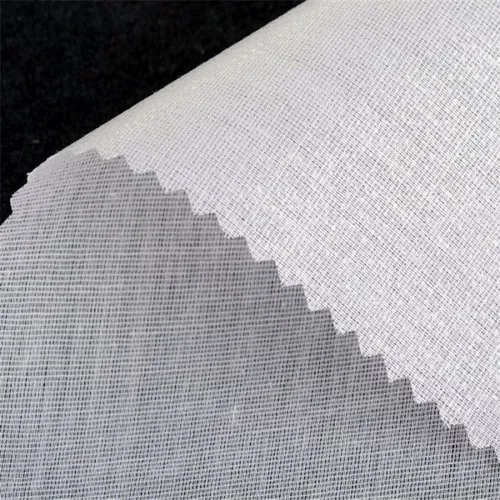
1. Woven Interlining: The Art of Precision Weaving
Woven interlining is a meticulous creation achieved through the interlacing of warp and weft threads. This method results in a strong, structured fabric that offers excellent stability and shape retention. Garments that demand a crisp finish, such as formal shirts, blazers, and dresses, often benefit from the use of woven interlining. The tightly woven structure provides a reliable foundation, enhancing the garment's drape and longevity.
2. Non-Woven Interlining: Bonding Innovation
In contrast, non-woven interlining takes a different approach, relying on a bonding process rather than traditional weaving. Fibers are entangled or bonded together through heat, chemical, or mechanical processes, creating a fabric-like material. Non-woven interlinings are renowned for their flexibility, lightweight nature, and cost-effectiveness. They are often used in applications where softness and adaptability are key, such as in casual wear, linings, and certain outerwear.
3. Versatility in Application:
Each type of interlining brings its own set of advantages to the table, allowing designers and manufacturers to tailor their choices based on specific garment requirements. Woven interlinings offer stability and a crisp finish, making them ideal for structured garments, while non-woven interlinings excel in applications that demand flexibility and a softer touch.
4. The Balancing Act: Blending Woven and Non-Woven Techniques
Innovative approaches in textile manufacturing have led to the development of blended interlinings, combining the strengths of both woven and non-woven techniques. This hybrid solution provides a balance between structure and flexibility, offering designers a versatile tool to meet diverse garment needs.
5. Sustainable Solutions: Eco-Friendly Interlinings
With sustainability at the forefront of the textile industry, there's a growing interest in eco-friendly interlining options. Both woven and non-woven interlinings can be produced using recycled materials or sustainable fibers, contributing to the industry's commitment to a greener future.
Whether woven, non-woven, or a harmonious blend of both, interlinings continue to play a pivotal role in the world of textiles. As technology advances and sustainability becomes an increasingly integral factor, the exploration and evolution of interlining techniques promise exciting developments for the future of garment construction. Stay tuned to our fabric blogs category for further insights into the intricacies of textile craftsmanship.
 Global Interlinings Market 2026 | G&F GROUP INC. – Interlining Supplier
 Egypt Fabric Supplier Guide 2026: Sourcing Textiles from China for Cairo, Alexandria & QIZ Garment Factories
 Global Textile Sourcing in 2026: The Era of “Lowest Price” Is Over. Here’s What Buyers Actually Need Now.
 Why Global Buyers Are Switching to a Vertically Integrated Functional Fabric Supplier with OEKO-TEX® & GRS Certifications